Black Climate Week: How Community-Led Climate Justice Is Growing in Boulder
*This article was written by Layra Nicli and posted to the website by Jasi Sikora*
Black communities are leading climate innovation and justice: local cities and organizations across the U.S. are invited to share local stories as part of #BlackClimateWeek
Across the country, Black communities are leading some of the most innovative, justice-centered climate solutions, from urban agriculture and community-owned energy to disaster resilience and food sovereignty. Black Climate Week, which takes place February 21-26, 2026, celebrates that collective momentum: thousands of stories, rooted in lived experience, shaping a more equitable climate future. According to the Solutions Project website, the leaders of #BlackClimateWeek, “This campaign is about the collective momentum of thousands of stories that inspire ongoing justice-led climate action.”
Here in Boulder, part of this collective momentum is enacted through the work and local leadership of Jamillah Richmond.
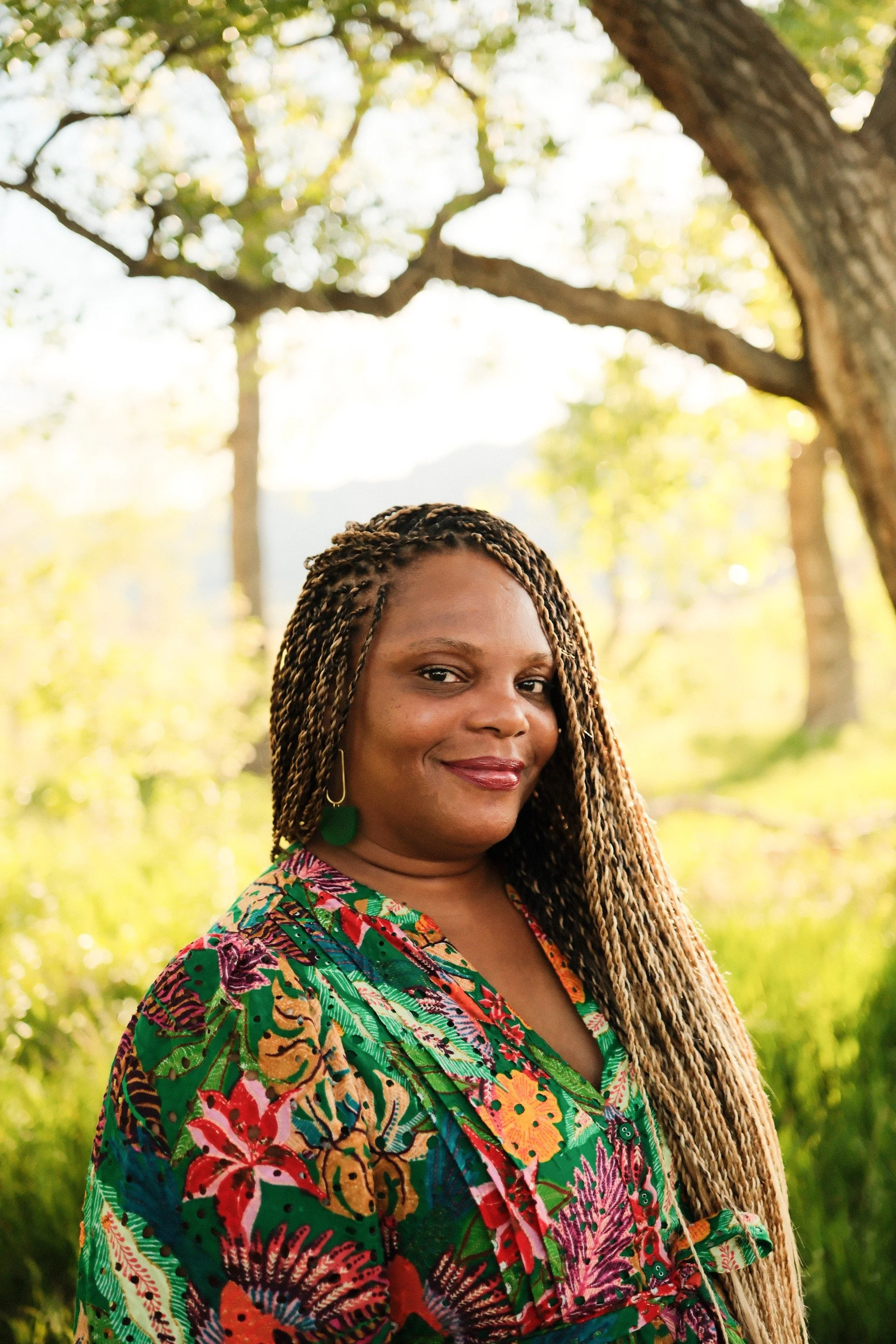
Photo of Jamillah Richmond
As a Resident Service Coordinator with Boulder Housing Partners, Jamillah supports housing stability across eight communities. But her work makes something clear: climate change resilience is not separate from affordable housing, equitable food access or racial justice.
“Housing stability and climate change are woven into the same tapestry of the human experience,” she explains.
Climate change does not affect everyone equally. Because of decades of environmental racism and systemic inequities, communities of color and lower-income households often face greater exposure to heat, flooding, wildfire smoke and food insecurity, while having fewer resources to adapt.
“Supporting housing stability means designing systems that respond to the holistic and nuanced needs of people, especially those most affected,” she said. When climate impacts threaten food access, public health or safe housing, the response must center the voices of those living in that reality.
This understanding is at the heart of climate justice: solutions are strongest when they are shaped by the communities who are most impacted.
The Giving Grove: A Community-Led Climate Solution
A food forest, now named The Giving Grove, began with a vision Jamillah brought forward at a Cool Boulder partner meeting. But, as she shares, the idea was not hers alone. It was shaped by years of listening to residents who consistently voiced the need for better access to healthy food and a welcoming space to gather outdoors.
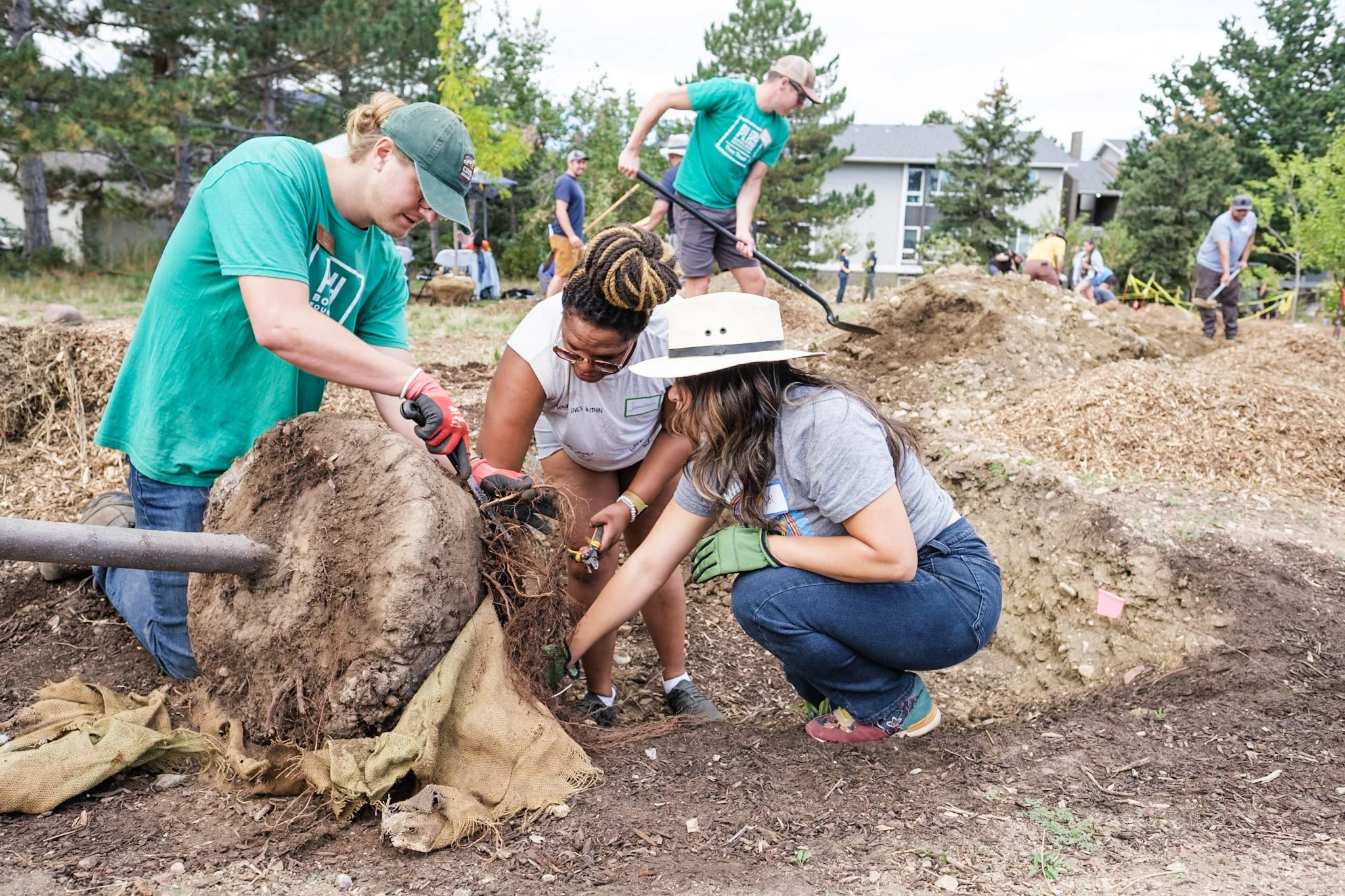
Jamillah Richmond, Daniel Hanson (Tree Trust), and Gabi Galindo (FLOWS) preparing to plant a tree in The Giving Grove.
An integral part of the process, Jamillah met on-site to map where trees, raised beds, gathering spaces and pollinator gardens would go. She created surveys so residents could choose which fruit trees to plant and even help name the space. She organized volunteer days for earthworks and tree planting, recruited neighbors to participate and partnered with Street Wise Arts to host a community art day, painting the bridges that now cross the forest. She served as the voice of residents, ensuring they were centered in every major decision.
Boulder Housing Partners, Tree Trust and city partners helped implement the project, but they followed the direction of residents, guided by Jamillah’s leadership.
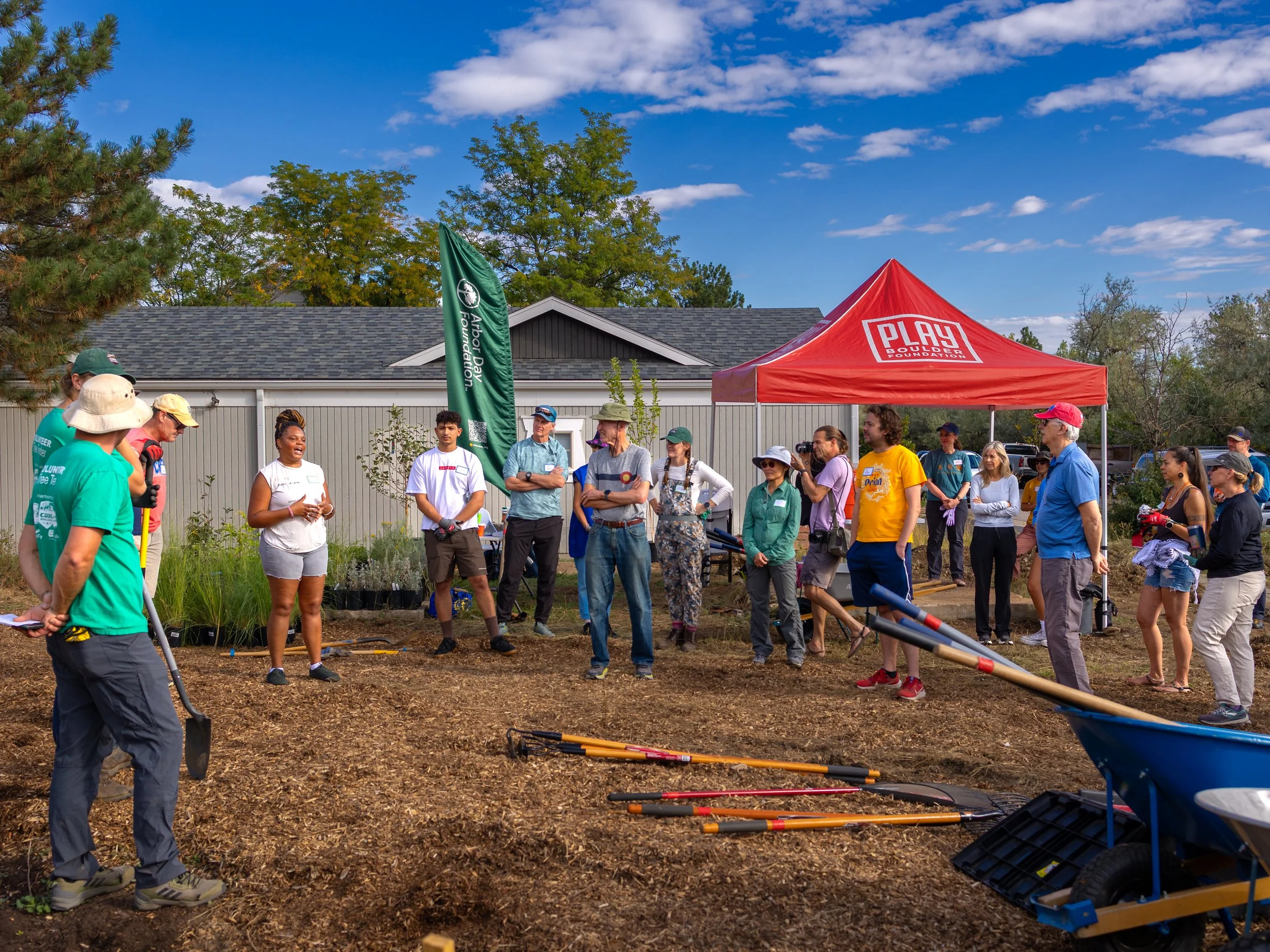
The result is more than a garden. The Giving Grove increases access to fresh food, expands tree canopy offering shade and cooling in a warming climate, supports pollinators and biodiversity and creates a shared gathering space that strengthens social connection, one of the most important factors in community resilience.
Black Climate Week is not about spotlighting a single individual in isolation. It is about recognizing the collective leadership that has always been present, and ensuring it is visible, supported and resourced. Jamillah’s leadership here in Boulder is part of this larger national story and broader movement.
Across the United States, Black and Afro-Indigenous leaders are advancing solutions that emerge from deep histories of land knowledge, mutual aid and community organizing. They are not new but often under-recognized.
“When we are present and leading,” Jamillah shares, “we demonstrate the full spectrum of our humanity and create welcoming spaces for others to do the same.”
In Boulder, The Giving Grove stands as a living example of what happens when communities are trusted as leaders.
Her advice to others is simple: “Start with trusting yourself, then talk to your neighbors about what climate equity means, not just as individuals, but as an ecosystem. Create together. That is how we thrive.”
Climate Justice is strongest when those most affected are at the center.