Welcome to the Neighborhood Nature Lab!
Plant Native. Observe Nature. Make a Difference.
About the Project
Help Build a More Resilient City
Cities are full of life—but we often don’t have the data to understand how biodiversity is changing. The Neighborhood Nature lab brings together researchers and community members to monitor plants, insects, and birds across a network of reference sites. Community scientists help collect real scientific data that supports conservation, climate resilience, and urban planning.
Whether you’re a seasoned naturalist or new to ecology, you can make a meaningful contribution.
You Can Help Track the Nature of Our City
Join us and discover the hidden biodiversity in your neighborhood, contribute to real scientific research, support climate resilience and conservation, meet nature‑loving neighbors, and make a difference in your own community.
Plants. Insects. Birds. People. Our city is alive — and you can help us understand how it’s changing.
Over the coming months, we’ll announce training workshops, online learning modules, and onsite demonstrations. You can track the life in your yard, neighborhood, school or nearby park.
Planting with Purpose!
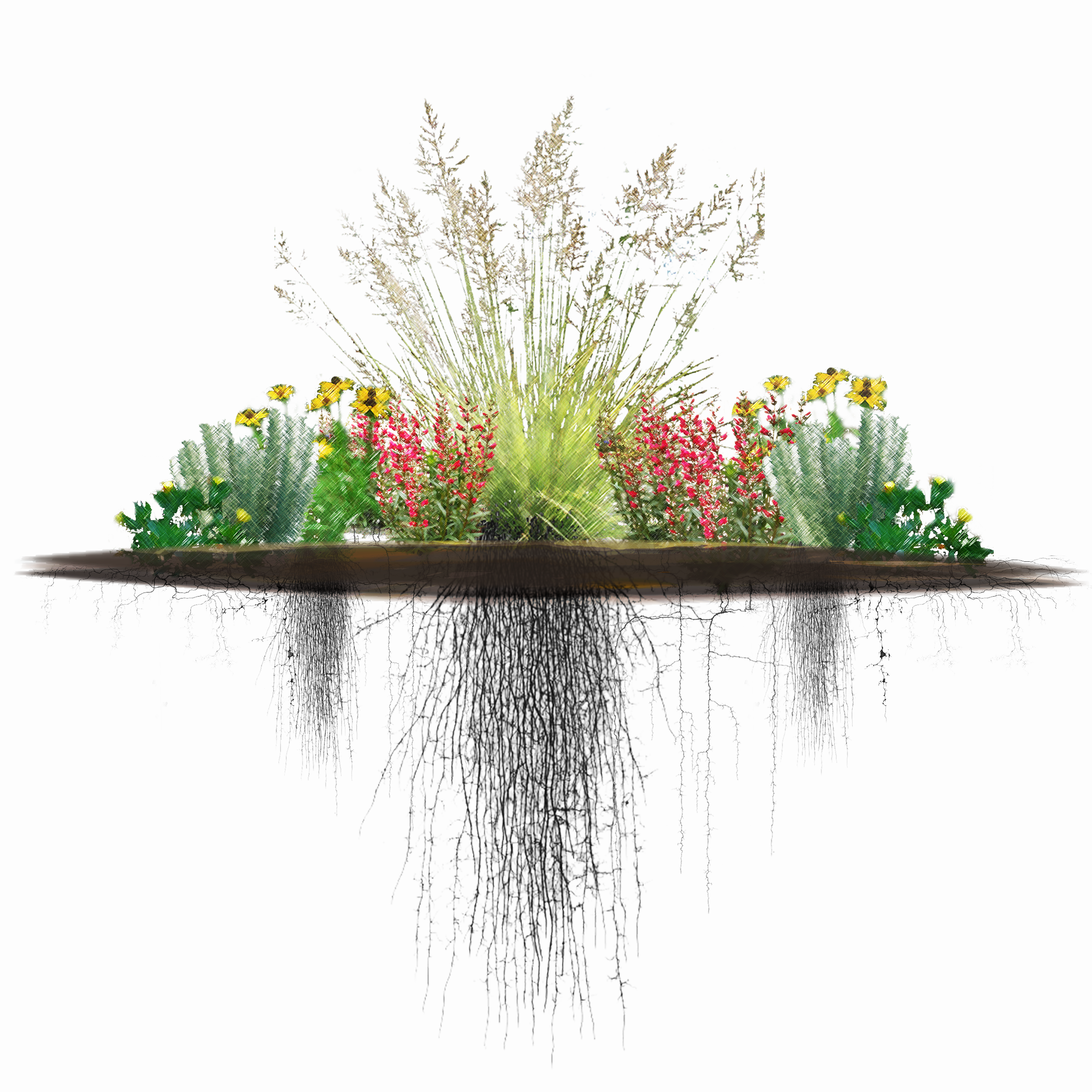
A native plant garden designed for biodiversity and long‑term monitoring becomes something more than a pretty landscape — it turns into a living laboratory.
Upcoming & Recent Events
Resource Central Webinar
Understanding Bloom Timing: Phenology & Biodiversity for Colorado Landscapes
Paul Alaback, Plant Ecologist and Conservation Biologist
Discover how observing bloom timing can help you understand climate patterns, support pollinators, and improve garden management. Learn simple phenology techniques and how your observations contribute to broader scientific knowledge about changing environments.
What is Phenology?
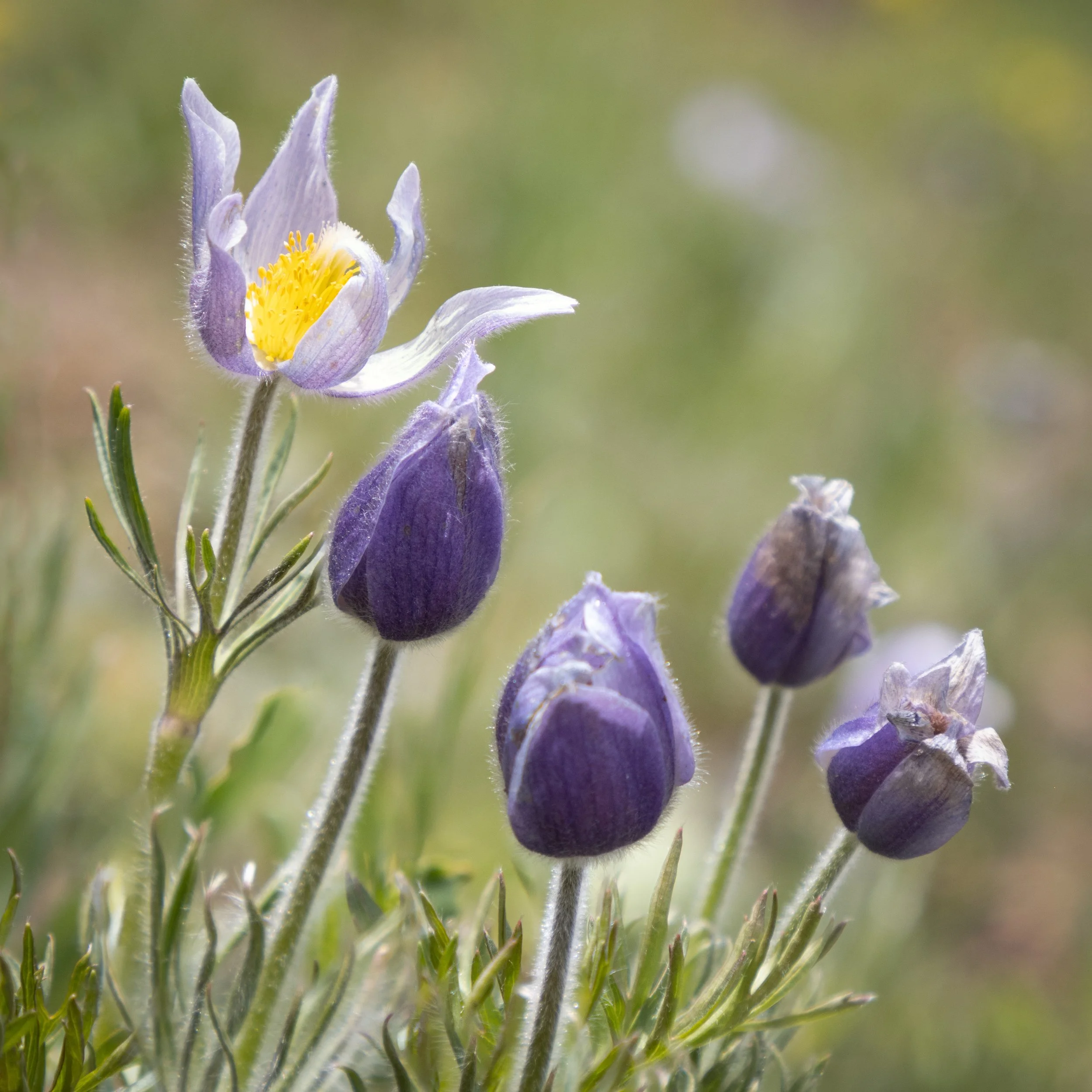
Have you noticed how the seasons seem a little different each year - earlier blooms, later leaves, unexpected weather swings?
The study of the timing of seasonal events is called
phenology. Phenological events—especially emergence
and flowering—shift noticeably with warming
temperatures, making them some of the most
sensitive biological indicators of climate change.
These small changes tell a big story, and you can
help scientists understand it by simply watching
when the plants in your Biodiversity Nursery
garden are flowering, observing when insects are
visiting your garden, and sharing your observations
to BudBurst, iNaturalist, and other free community science applications.
Recording Phenology Observations
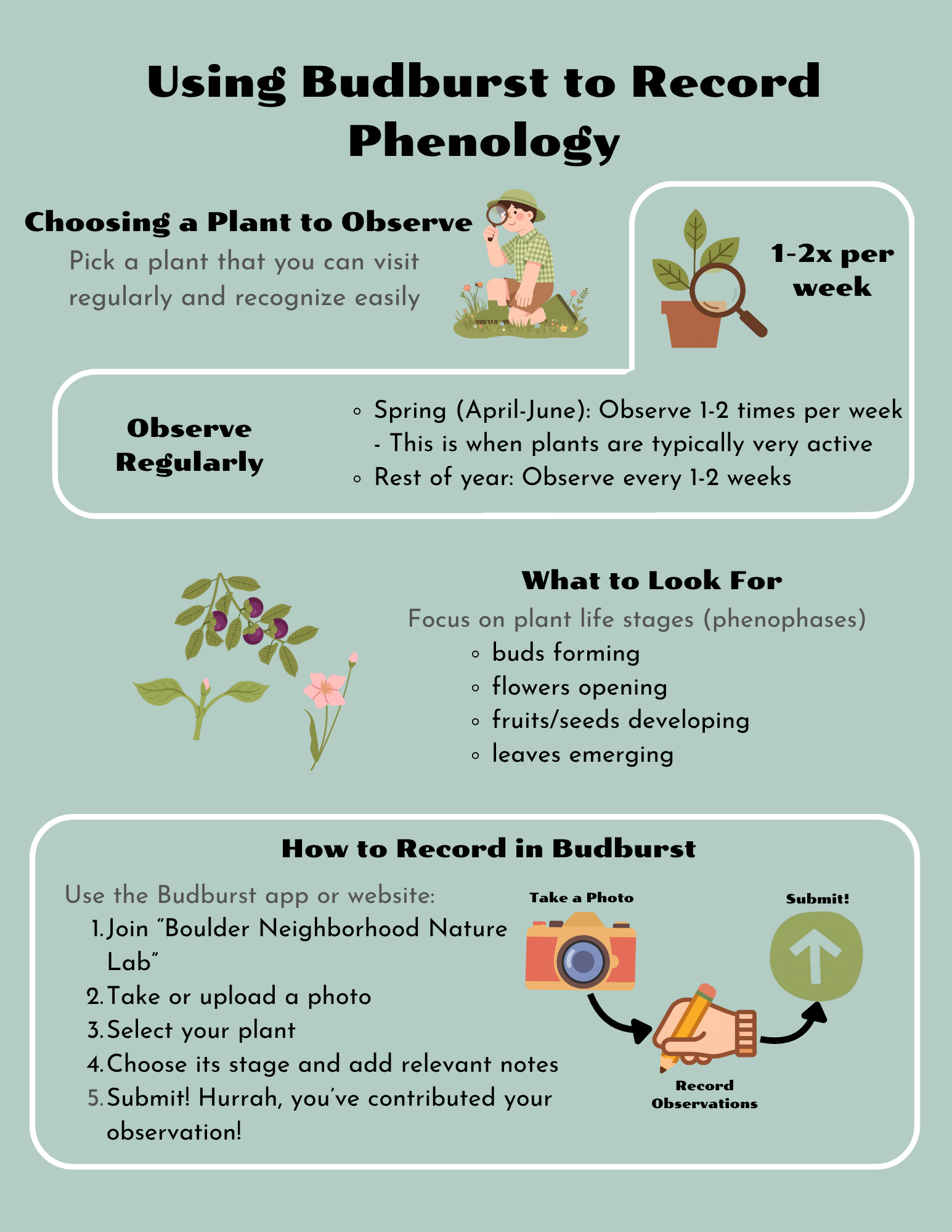
Budburst - for plant observations
Budburst is a powerful tool created by the Chicago Botanic Gardens to uncover the stories of plants and animals affected by our changing environment. In the Neighborhood Nature Lab, it’s used to gather consistent, neighborhood-scale data that helps scientists and the City understand how climate change is shifting local ecosystems over time. Join “Boulder Neighborhood Nature Lab” and start recording your observations today!
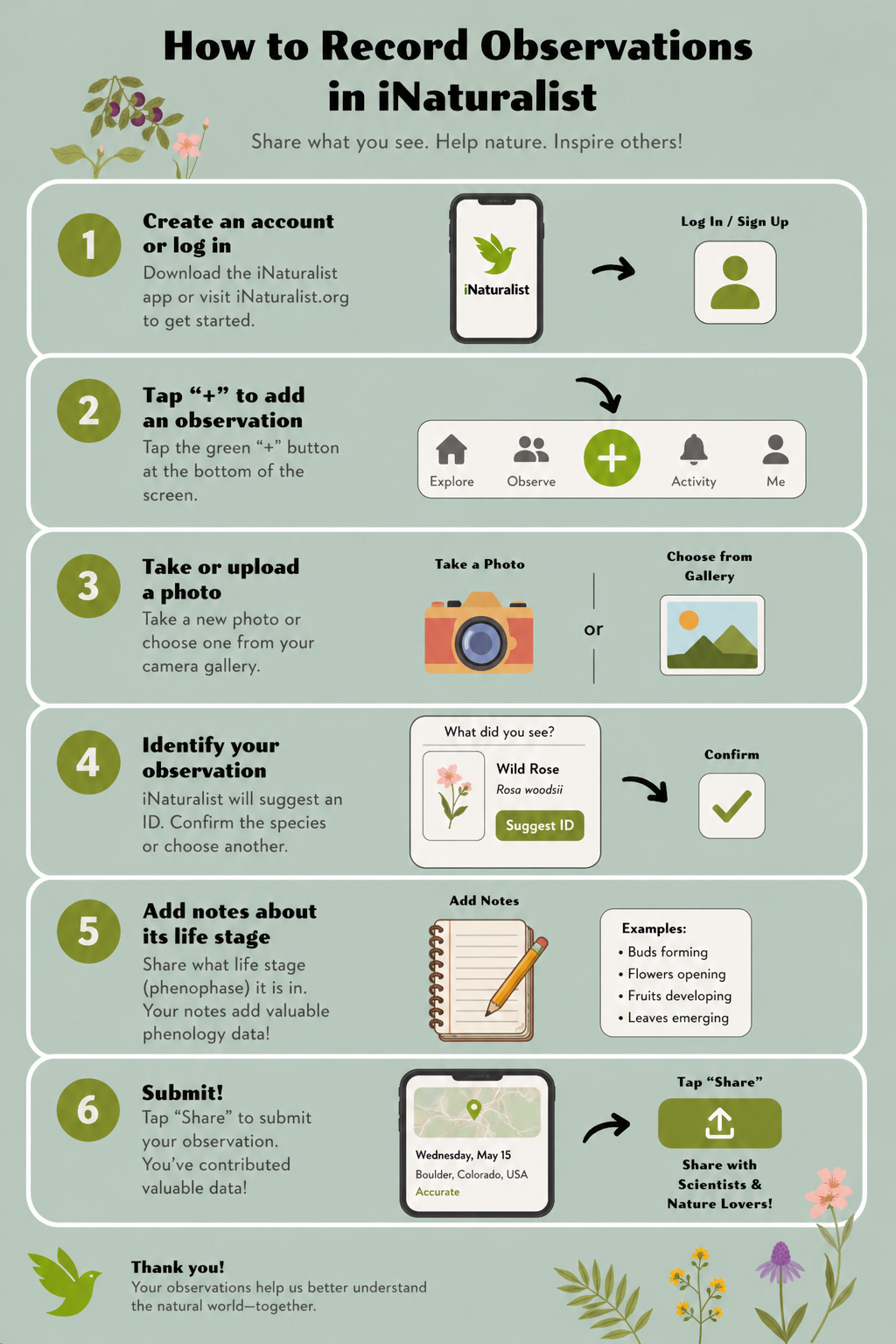
iNaturalist - for pollinator observations
Helpful Resources
Plant with Us: Grow a Biodiversity Nursery Garden
Help us grow a healthier, more resilient ecosystem—right from your own yard or shared community space.
As we launch this biodiversity monitoring project, you’re invited to participate by planting a curated set of native species that bloom from early spring through late fall. These plants were carefully selected to help us track plant phenology —when leaves emerge, flowers bloom, and seeds ripen—while also observing the insects and birds these plants support.
You can help contribute to the Neighborhood Nature Lab by purchasing and planting the Resource Central Biodiversity Nursery Garden In a Box, purchasing and planting the plants from the plant list at local native nurseries, or, if you are a neighbor in an established Neighborhood Nature Lab neighborhood, by sharing seeds and plants with existing garden hosts!
Meet the Pilot Neighborhoods
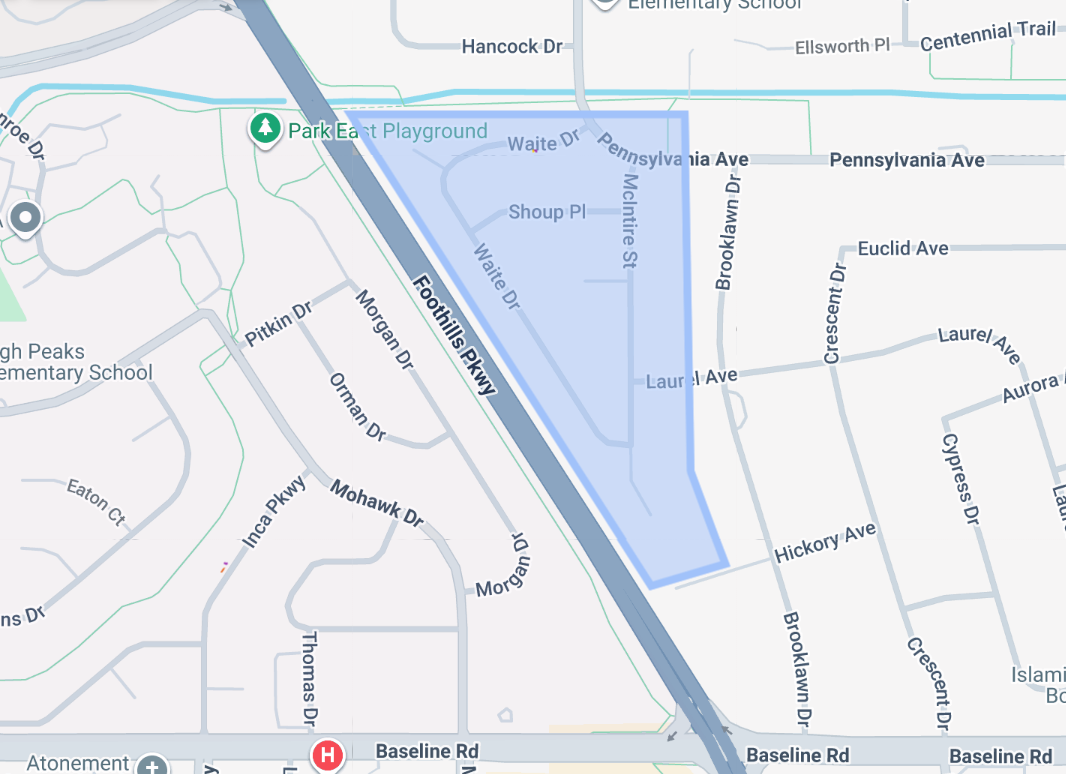
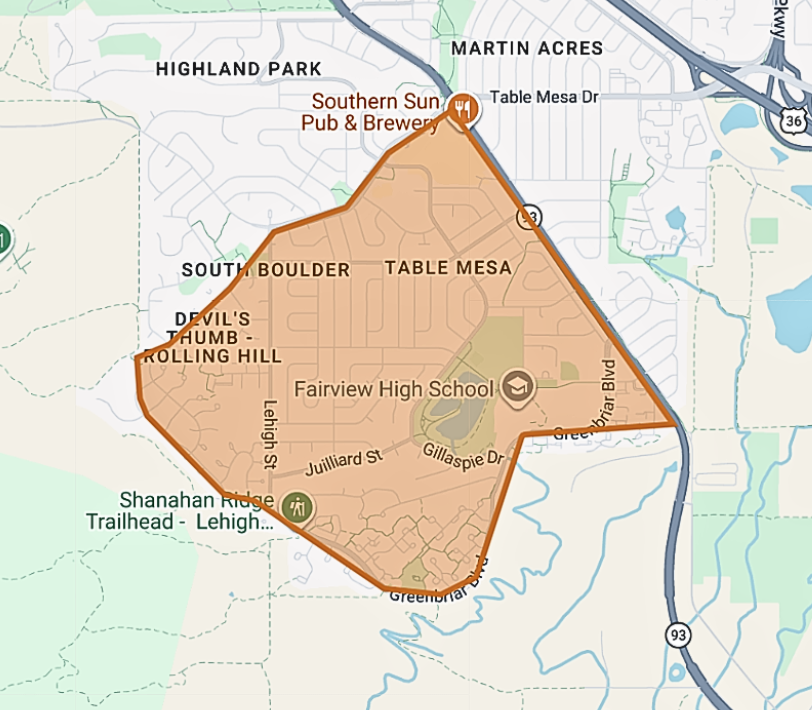
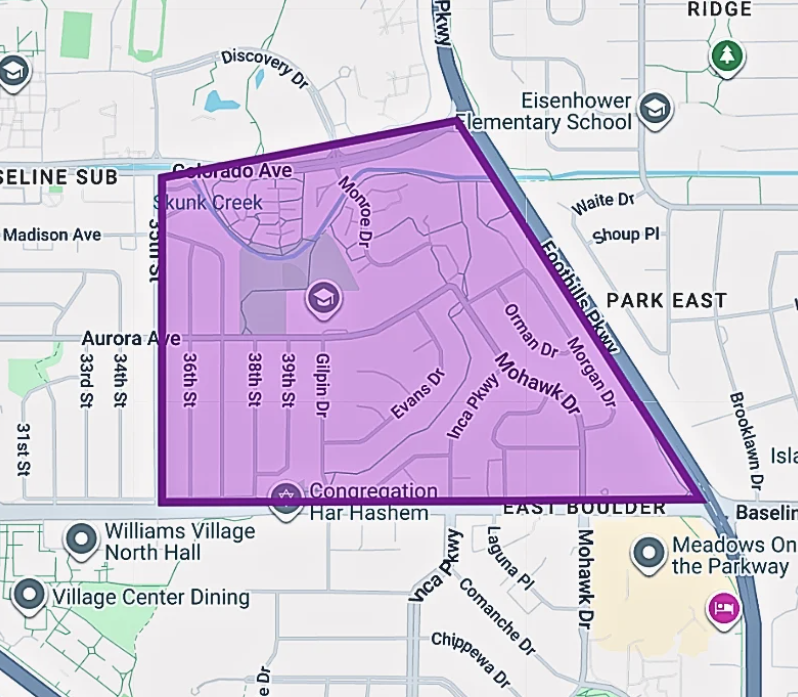
Frequently Asked Questions
-
A partnership between City of Boulder, researchers, Eco-Cycle and Resource Central, the Neighborhood Nature Lab is a new urban biodiversity monitoring program that is focused in four pilot neighborhoods. Community members, schools, and scientists will work together to study how plants and pollinators respond to climate and weather changes — and to strengthen community connections through shared learning.
-
-
No. Everyone is welcome to participate in the Neighborhood Nature Lab and attend workshops and trainings. You can submit your observations through Budburst and iNaturalist from your yard, a local park, your school or as you walk through your neighborhood or go for a hike. All of this information is valuable. Sign up using the form at the bottom of this page to be notified for workshops, trainings and community events.
-
Urban areas hold more biodiversity than many people realize, and are important habitats for plants, insects and other wildlife. We all rely on thriving living systems that provide us with food, clean air and water, shade and cooling.
Understanding how plants and insects respond to changing climate conditions helps us:
Identify which plants thrive in city environments
Support pollinators and other wildlife
Improve neighborhood green spaces
Promote community health through nature‑based solutions
Guide future landscaping and planting choices
This knowledge helps the city design greener, healthier, more resilient neighborhoods.
-
Participants will:
Record when flowers bloom using Budburst
Photograph insects and pollinators using iNaturalist
Upload observations through the apps
Attend community gatherings to learn how to collect data
Connect with neighbors who are also participating.
-
No. The program is designed for everyone – from beginners to experienced ecologists and everyone in between. Workshops, webinars, and in-person trainings will be available, as well as opportunities to volunteer and assist scientists as they collect data.
-
Six residents (Garden Hosts) in each pilot study neighborhood will receive a 100‑square‑foot native plant garden at no cost. These gardens help scientists collect high‑quality data and create beautiful, biodiverse spaces that neighbors can enjoy together.
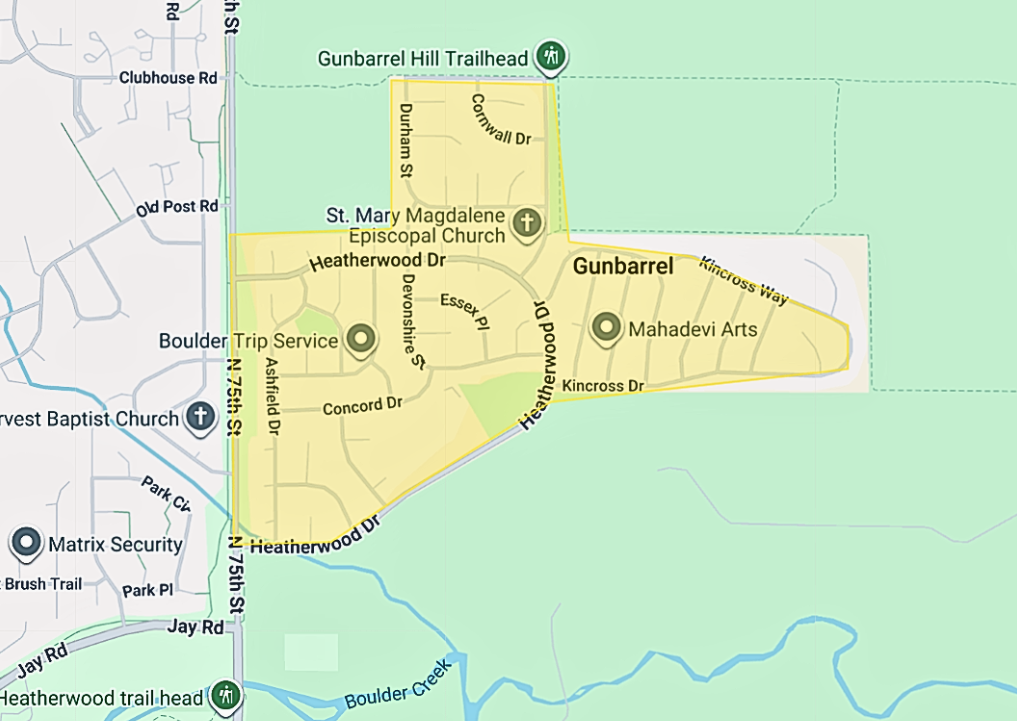
Neighborhoods that are part of this study are BCSIS & High Peaks Elementary, Crestview Elementary, Fairview High School and Heatherwood Elementary. -
Garden installations will take place in early June. Resource Central will remove turf, and the plants and layout for each garden will be delivered by city staff, who will arrange to help Garden Hosts install their new gardens.
-
They can fill out an application on the Neighborhood Nature Lab Garden Host webpage.
-
Eligible sites must be within the boundaries of a research study area. Maps are linked on the Garden Host webpage - CoolBoulder.org/Garden-Host. Other requirements for a free garden are:
The garden must replace have healthy turf that will be removed before installing the garden
A sunny location
A spot that is visible and accessible from the sidewalk
Agree to care for the garden
Agree to record observations on mobile applications
-
You can purchase this same specially-designed garden, which is being offered as a Resource Central Garden In A Box, the Biodiversity Nursery, or pick up the plants from the plant list at local native nurseries, or swap and share plants with fellow gardeners.
Be the First to Know!
Stay involved with the Neighborhood Nature Lab!
Sign up if you’d like to be notified when community science programs are announced including trainings, field days, and other events.
Meet the Biodiversity Nursery
-
![green plant]()
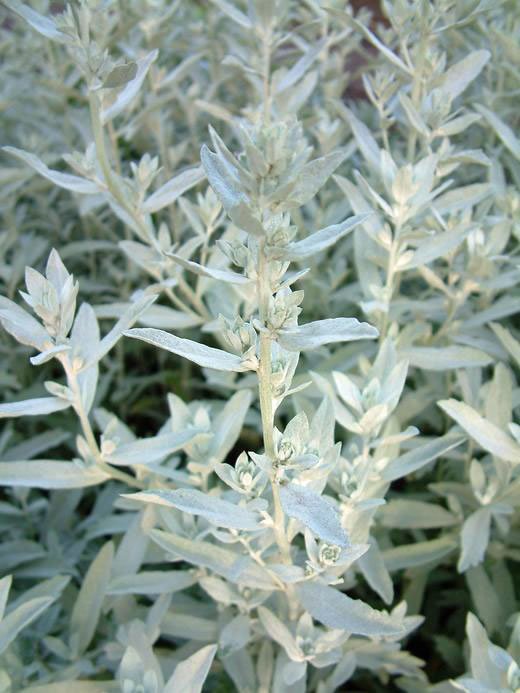
Artemisia ludoviciana - Prairie sage
Sagebrushes are iconic plants in dry western landscapes. While the large woody species are the best known, many, like the prairie sage, are herbaceous and die back in the fall. They are called sages because of the strong scent in their leaves (like true sages, which are in the mint family). It flowers from mid-summer to early fall and provides interest year-round with its fuzzy white leaves.
-
![purple flowering plant with a butterfly on it]()
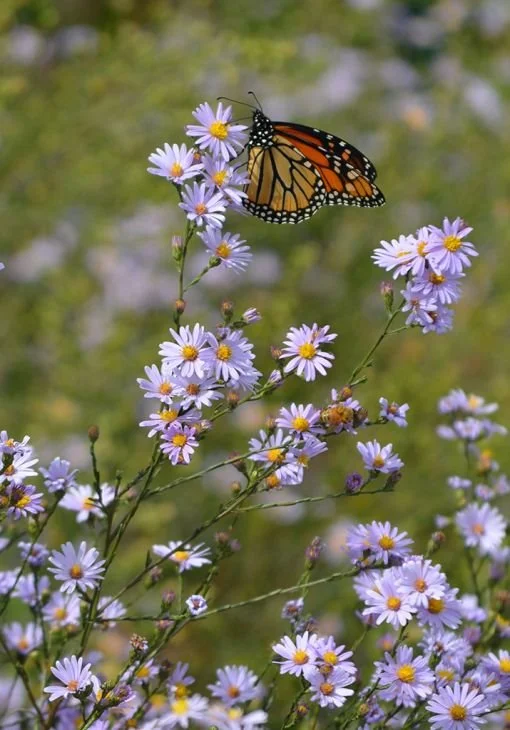
Aster laevis var. geyeri - Smooth blue aster
Smooth aster is one of the most common asters in our area. It typically grows from shady forests and streamsides over a range of elevations to open areas at higher elevations. It typically flowers late in the summer into the fall season, so it is important for late-season pollinators. It is a host for the pearl crescent butterfly.
-
![blue flowering plant with a bee]()
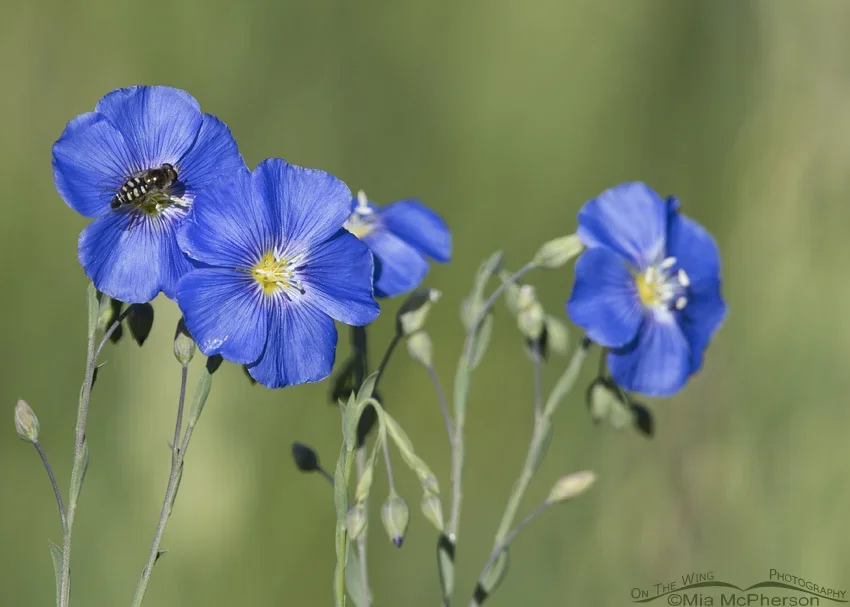
Linum lewisii - Flax
Lewis flax often grows in dry grassy areas at lower elevations. It is generally easy to establish and can spread by seeds. Flax was historically used for fiber for clothing, ropes, and other uses. They flower in mid-spring and will flower again if you deadhead them.
-
![yellow flowering plant]()
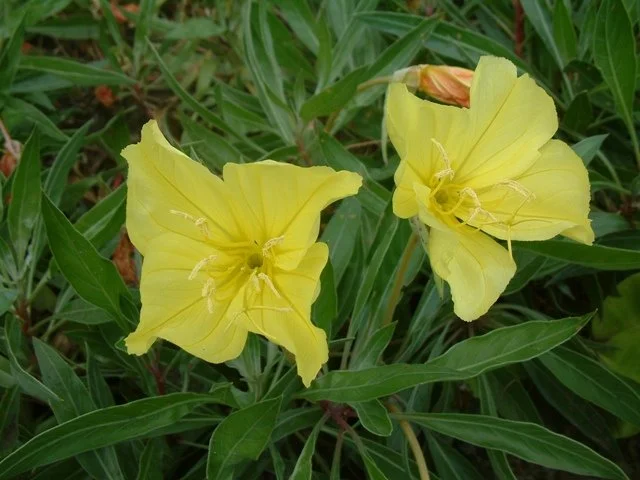
Oenothera macrocarpa - Evening primrose
Evening primroses are important for attracting insects at night, such as moths. They become fragrant in the evening or night to attract these pollinators, which is why they are called evening primroses. They are well adapted to dry habitats in local grasslands and rocky sites. The large, showy flowers add a lot of color in the springtime. This species is native to the Great Plains, just east of Colorado, in dry rocky limestone habitats.
-
![red flowering plant]()
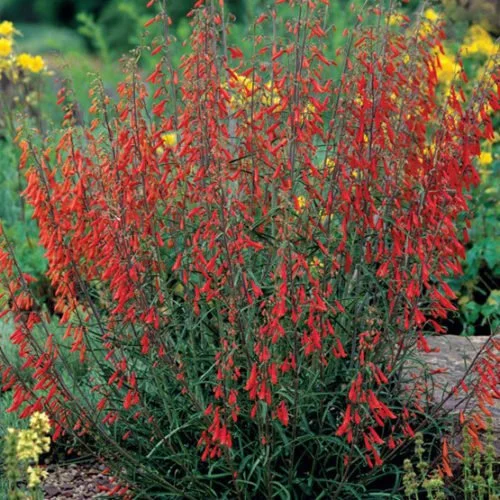
Penstemon barbatus - Beard-lip penstemon
Penstemons are important wildflowers for pollinators in Colorado. Most of the species of penstemons in the world are native to the Rocky Mountain region. Beard-lip penstemon is well-adapted to dry open sites, so it is perfectly adapted to waterwise gardens. Flowers are usually blue to purple and attract many species of native bees.
-
![Yellow flowers with dark centers and long, slightly drooping petals in a green natural setting.]()
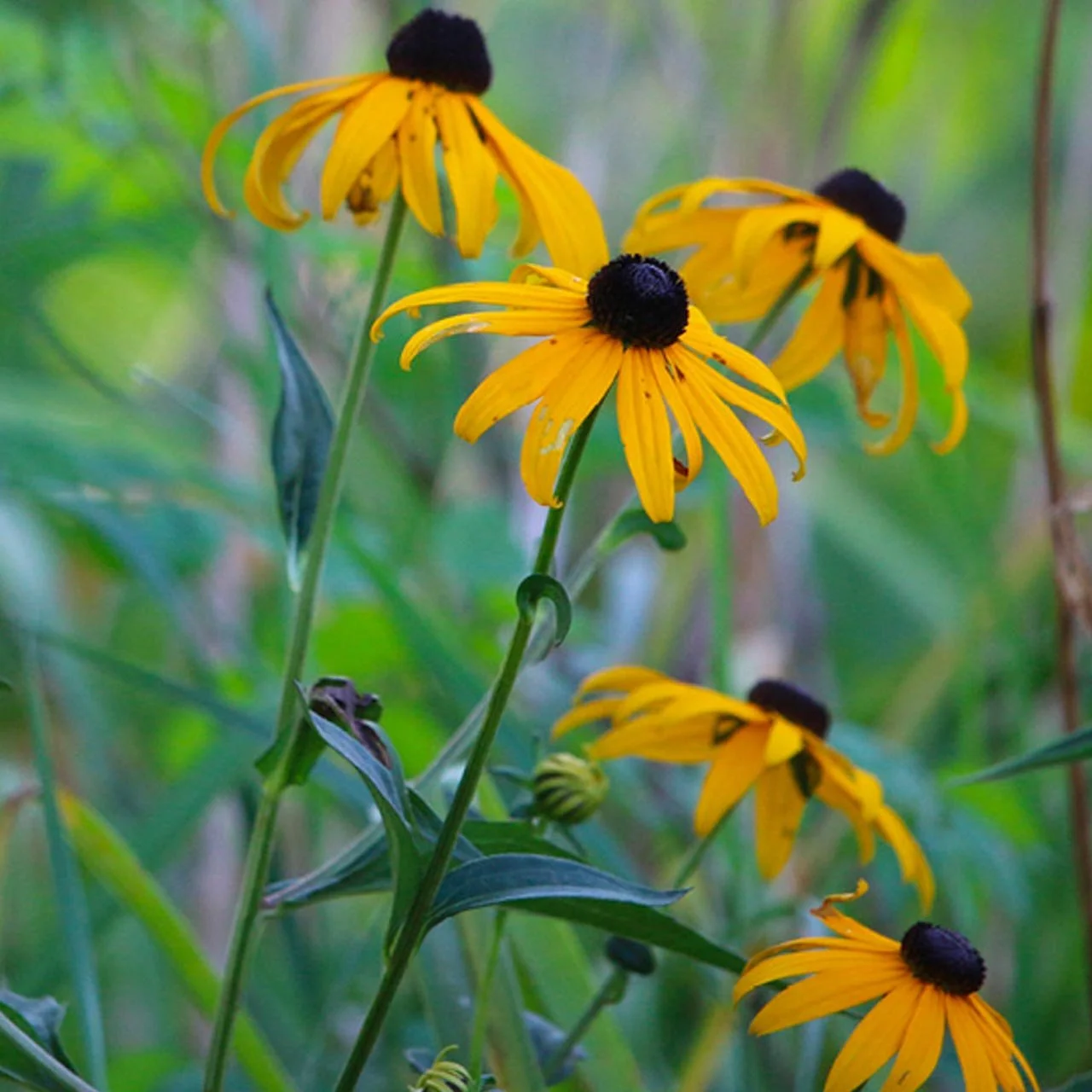
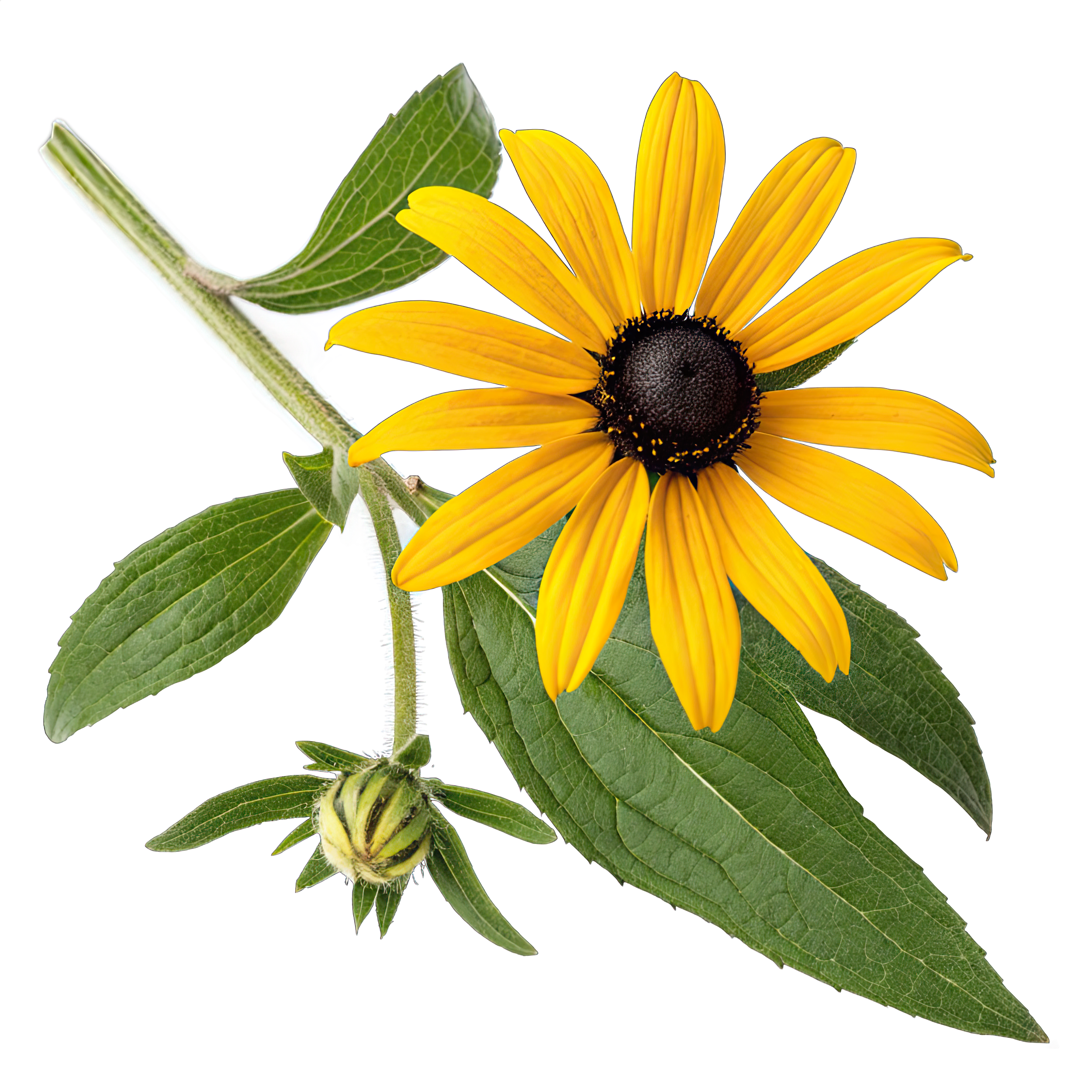
Rudbeckia hirta - Black-eyed Susan
This sunflower relative is a popular flower in all gardens. The large yellow flowers with black centers can grow from mid-summer to fall, so they can provide a lot of color for your garden. It is common along streams and mid to higher elevation grassy open areas. They attract many species of bees, butterflies, moths, and other pollinators.
-
![Close-up of a bee collecting nectar from bright yellow flowers in a natural outdoor setting with blurred trees in the background.]()
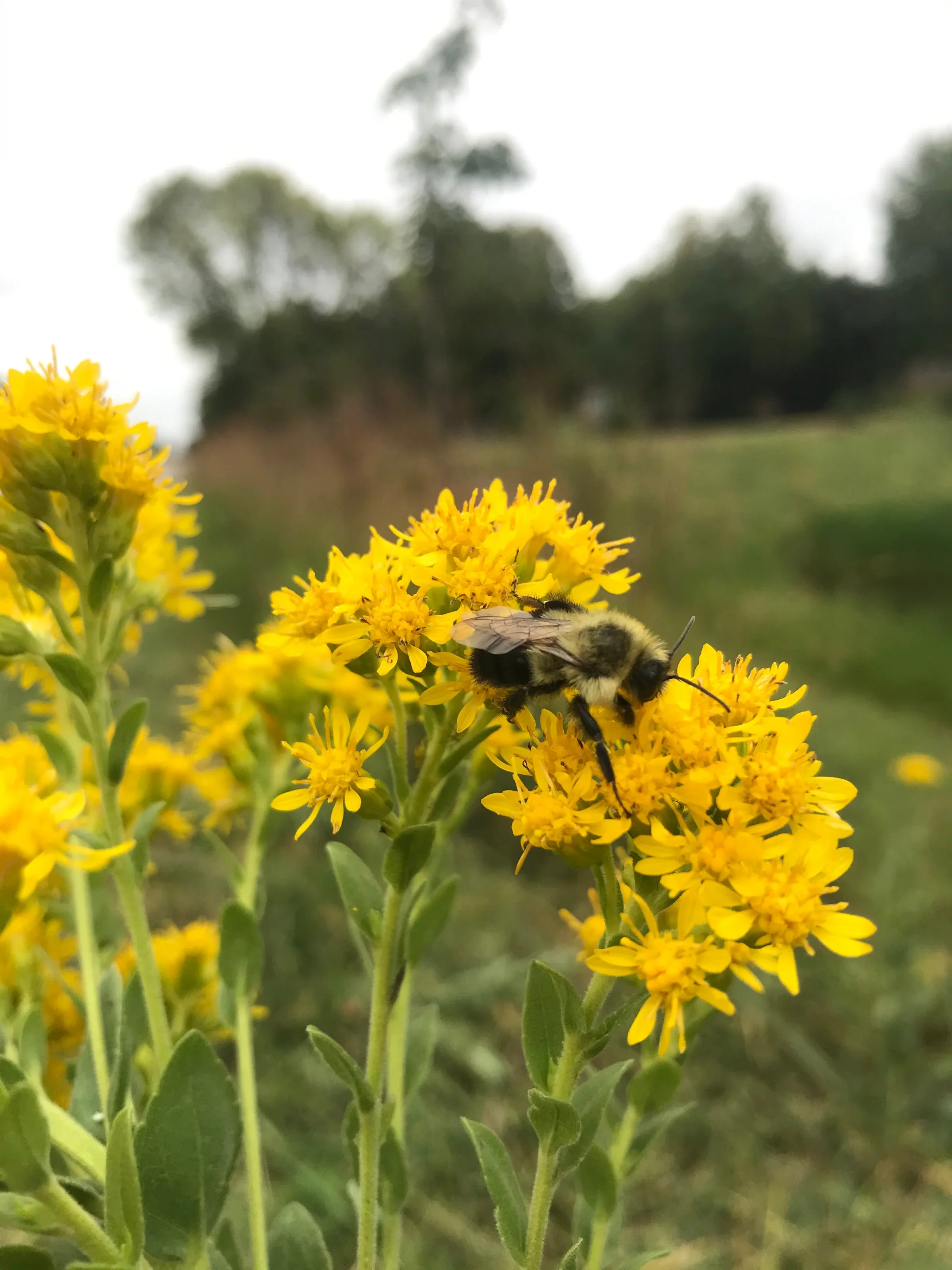
Solidago rigida - Stiff Goldenrod
Goldenrods are considered one of the most important groups of wildflowers for attracting insect pollinators. They typically flower from mid to late summer, produce a prodigious amount of pollen, and can continue to flower late into the fall. They are a perfect complement to asters and often grow together in natural areas. They attract a wide range of pollinators from small beetles and flies to butterflies, bees, and wasps. This species is adapted to open, drier sites and can be seen in local grasslands or roadsides. In natural areas, it can be small and patchy, but it can become quite tall and robust in moist areas or with extra watering.
-
![Large ornamental grass with feathery plumes in a garden setting.]()
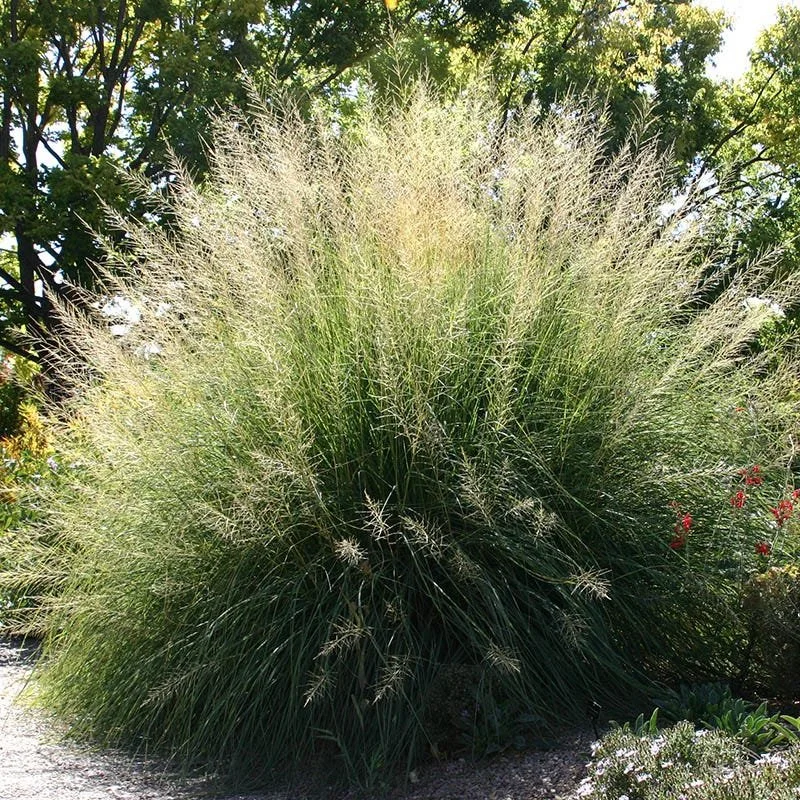
Sporobolus wrightii - Giant sacaton
Grasses are an important and often overlooked group of species for native plant gardens. Giant sacaton is common over a range of habitats in the southwestern US, including deserts, grasslands, shrublands, and river floodplains. They form a compact mound and provide fall and winter color and interest. In moist sites or with supplemental watering, it can reach over 6’ tall! It is a common ornamental and is often recommended instead of high-water-using ornamental grasses.