
Garden Steward Training
Thank you for your interest in becoming a Garden Steward!
Learn more details about the Community Land Stewards Program, including Neighborhood Foresters by visiting the program webpage.
Who Should Apply to be a Garden Steward?
Boulder area community members (18 years or older) with all levels of landscape stewardship experience are encouraged to apply. We are looking for folks with a strong interest and willingness to learn about landscapes as the foundation of living systems that provide homes for insects, birds and wildlife, and bring beauty and meaning to our lives. Note: although some of the instructors are bilingual, Garden Steward training is not offered as a bilingual program at this time.

Making a difference
After completing the initial classroom training, you will continue the shared learning journey with ongoing opportunities to expand your knowledge and expertise. You will be part of a trained team tending to landscapes, serving our communities, and sharing your knowledge with others.

Application, Training Topics and Key Dates
Our Commitment to Each Other
This Community Land Stewards program has been designed and co-created by a passionate and dedicated team to provide Garden Stewards with a unique and rewarding experience. Because this course requires a significant time investment from you and from the instructors and community members who are supporting this program, we ask that you review the position description, course schedule and ongoing commitments that becoming a Garden Steward requires before you submit your application to make sure that this is a good fit for you.
Applications close at the end of day on March 27th at 5 p.m.
You will be notified of your acceptance status by April 1st, and will be required to confirm by April 3rd that you plan to accept if you are offered a place. Classes begin on April 9th, 2026.
Dates and Session Topics for Formal Training
Learn more about the instructors in the section below.
Week 1: Introduction to Garden Stewards Program and Nature-based Climate Solutions
April 9, 2026, 5:00-7:00pm
Introduction to a new model of landscape stewardship that connects ecological health, community resilience, and sustainable care practices. Through exploring living systems, nature-based solutions, and local action, participants will gain insight into how communities can drive meaningful environmental change.
Presenters: City of Boulder Nature-Based Solutions Team: Brett KenCairn, Lauren Freels, Rella Abernathy, and Devyn Palm-Trujillo
Week 2- Introduction to Soil Health – the Foundation of Life and Healthy Ecosystems
April 16, 2026, 5:00-7:00pm
Explore the ecological role of soil as the living foundation of all ecosystems that sustains plants, wildlife and healthy landscapes. Learn about the interdependence of soil organisms and native plants. Introduction to practical methods that assess, restore and manage soils across diverse environments, all while using strategies that enhance fertility, biodiversity, and long-term resilience.
Instructor: Amy Scanes-Wolf, Regenerative Land Steward & Permaculture Teacher
Week 3- The Role of Native Plants in Urban Landscaping
April 23, 2026, 5:00-7:00pm
Understand the ecological importance of native plants and their role in creating resilient urban habitats. Participants will learn about plant diversity, ecology, and selection to understand how native species boost biodiversity, respond and adapt to change, and create healthy connections between plants, insects and birds in sustainable landscapes.
Instructor: Paul Alaback, Plant Ecologist and Conservation Biologist
Week 4- Pesticides Within the Context of Landscaping Management Design and Practices, and Ecosystem Health
April 30, 2026, 5:00-7:00pm
Examine the influence of pesticides on environmental and human health while exploring sustainable alternatives in landscape care. Participants will gain insight into local policies, ecological design strategies, and communication tools that promote natural pest management and reduce chemical use through biodiversity and native planting.
Instructor: Rella Abernathy, Senior Ecologist, City of Boulder Nature-Based Solutions Team
Week 5- Wise Use of Water to Support Healthy Urban Landscapes
May 7, 2026, 5:00-7:00pm
Deepen understanding of how soil and water interactions influence sustainable landscape practices. Participants will explore water-efficient design, plant selection, irrigation techniques, and site conditions to create and maintain resilient gardens that optimize water use and promote long-term ecosystem health.
Instructor: Emily Maeda, Vice President of Tree of Life Landscapes, Designer
Week 6- Ecology of Insects and their Importance in Urban Ecosystems
May 14, 2026, 5:00-7:00pm
Explore the vital connections between biodiversity, pollinators, and ecosystem health in the face of climate and human-driven change. Participants will learn about native and managed bees, other beneficial insects, and their relationships with native plants—building an understanding of how to support pollinator diversity through ecological design and best practices.
Instructor: Amy Yarger, Entomologist & Director of Horticulture for Butterfly Pavilion
Week 7- Seed Ecology and Establishment Techniques for Urban Landscapes
May 21, 2026, 5:00-7:00pm
Introduction to the ecology and practical use of seeds in creating resilient urban gardens. Through learning about seed types, dispersal and germination strategies, collection and direct seeding techniques, participants will gain the skills to establish and manage thriving native plant communities from the ground up.
Instructor: Dave Sutherland, Field Naturalist & Habitat Creation Mentor
Week 8- Introduction to Stewardship
May 28, 2026, 5:00-7:00pm
This last module focuses on establishing and maintaining diverse, wildlife-friendly gardens through thoughtful design and seasonal care. Participants will learn techniques for planting, pruning, weeding, and managing layered habitats to support pollinators and other species while optimizing plant health and ecological function throughout the year.
Instructors: Emily Maeda,Vice President of Tree of Life Landscapes, Designer and Devyn, Palm-Trujillo, Education and Outreach Senior Representative, Open Space & Mountain Parks


Meet Your Instructors!
-
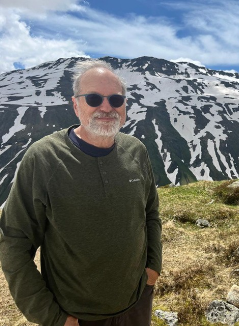
Paul Alaback
Plant Ecologist and Conservation Biologist
Paul Alaback has been studying the ecology and conservation of temperate forests and associated ecosystems for over 30 years. He is the author of numerous technical publications, and co-edited two books on temperate rainforests. He also was one of the scientists that helped found Project Budburst in 2007, a national community science program. He is currently a professor emeritus from the University of Montana, and since moving to Colorado is a volunteer with the Colorado Native Plant Society and is helping the City of Boulder with their Nature-Based Climate Solutions program. He actively promotes public participation in science and natural history education and using community science data to monitor climate change. -
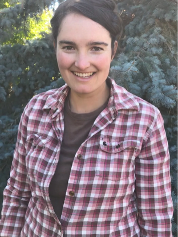
Amy Scanes-Wolf
Regenerative Land Steward & Permaculture Teacher
Amy has a colorful decade-long background in market farming, ecological landscaping, permaculture, historical interpretation, running educational programming, writing, and agricultural research. Amy is deeply passionate about creating pathways to reconnect people to their ecosystems and food systems. She is the founder and Executive Director of High Plains Permaculture/The Niwot Homestead and teaches permaculture at Naropa University. -
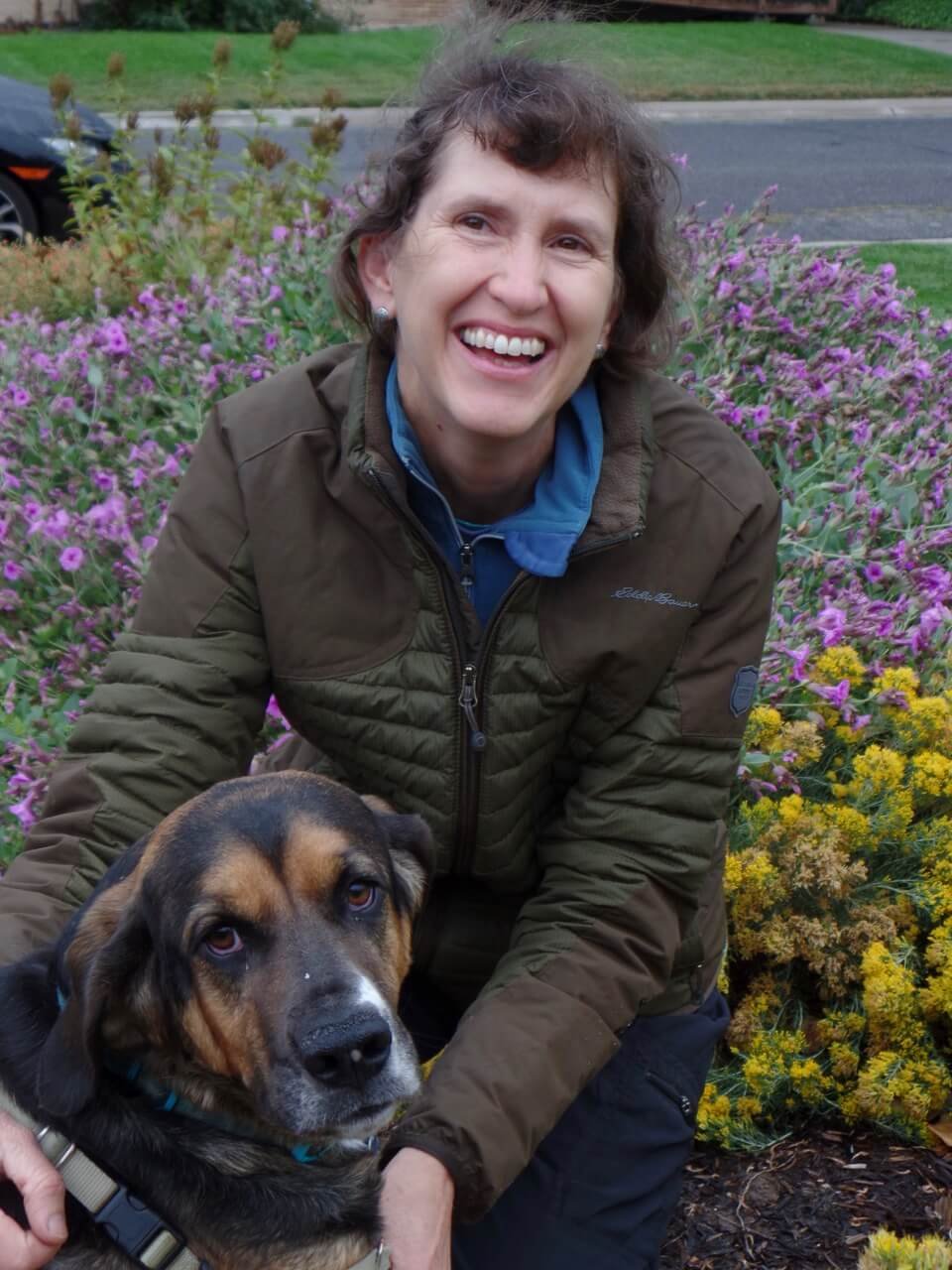
Amy Yarger
Entomologist & Director of Horticulture for Butterfly Pavilion
Amy has been with Butterfly Pavilion for over 20 years and currently leads their local pollinator habitat initiatives, such as the Baseline Pollinator District and the Urban Prairies Project, which restores habitat in urban and suburban green spaces in Westminster and Broomfield. Amy has also installed pollinator habitat gardens throughout the community at locations such as Sprout City Farms, Clear Creek Valley Park, and Good Samaritan Hospital. Her articles have been published in Colorado Gardener, Aquilegia, and the journal of the Association for Zoological Horticulture. Through habitat gardening and education, Amy connects people to nature and gives them a deeper understanding of the need for biodiversity both locally and globally.
-
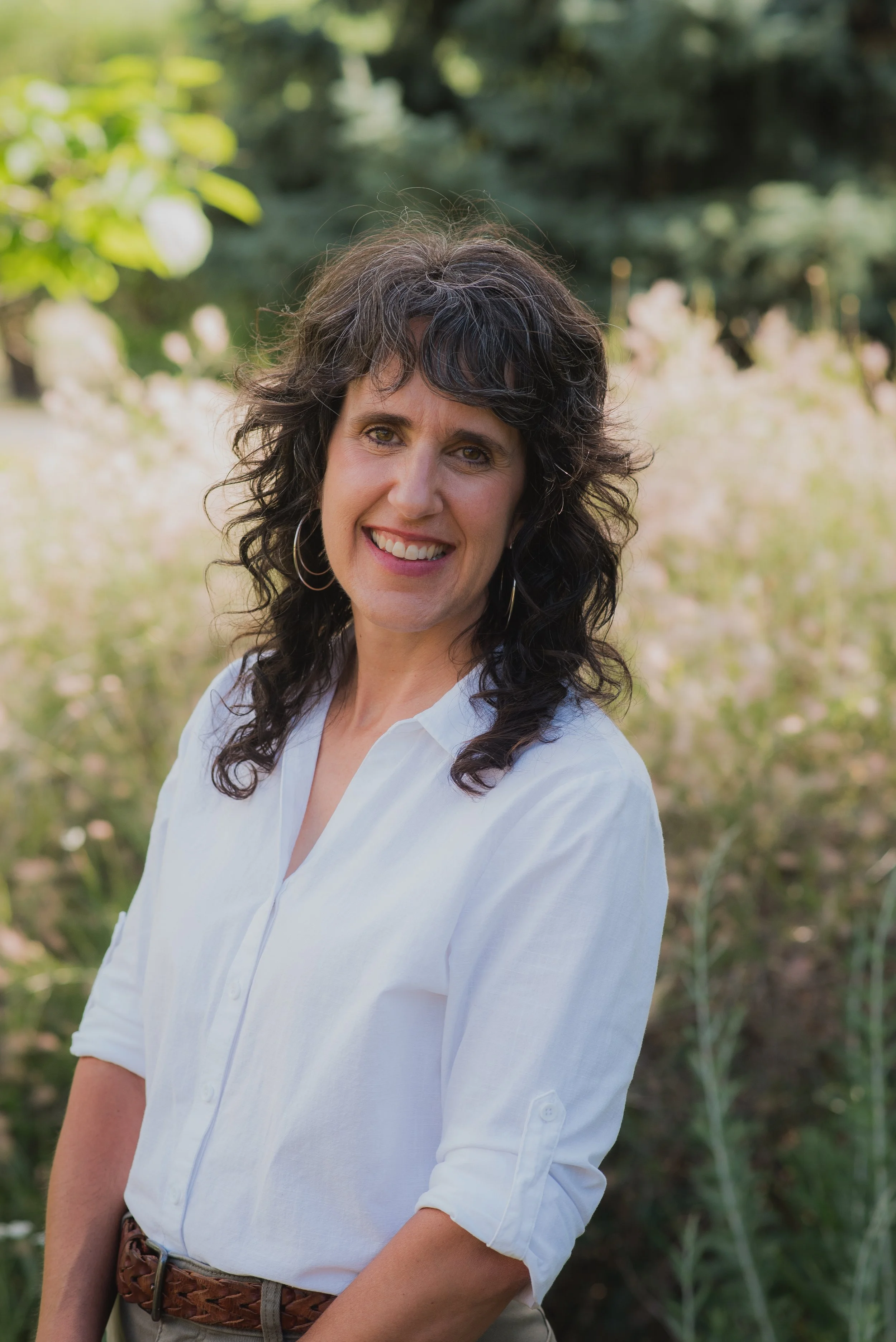
Emily Maeda
Vice President of Tree of Life Landscapes, Designer
Born in the foothills of Colorado, Emily began life on a farm which has shaped her as a learner, creator, and musician. An early love of music and the land inspired her to pursue a degree in Piano Performance at the University of Colorado while working at an organic farm. After marrying and returning to Colorado, she and her husband Mark began Tree of Life Landscapes, a design/build firm specializing in plant-driven design and sustainable outdoor spaces. While continuing to perform music, she and Mark developed Tree of Life into a leading landscape design firm pushing their industry to embrace a holistic vision for gardens. Her award-winning designs have been featured in publications and have given a vision for what plant-driven design can be. Mark and Emily have started a nursery, experimenting with sustainable practices for growing well-adapted plants. Their yearly design conference, Create Beauty, has been a source of inspiration for designers and contractors looking to expand their knowledge and creativity. In her free time, Emily enjoys her seven children, reading books, playing music, and sitting in the sun on her front porch.
-
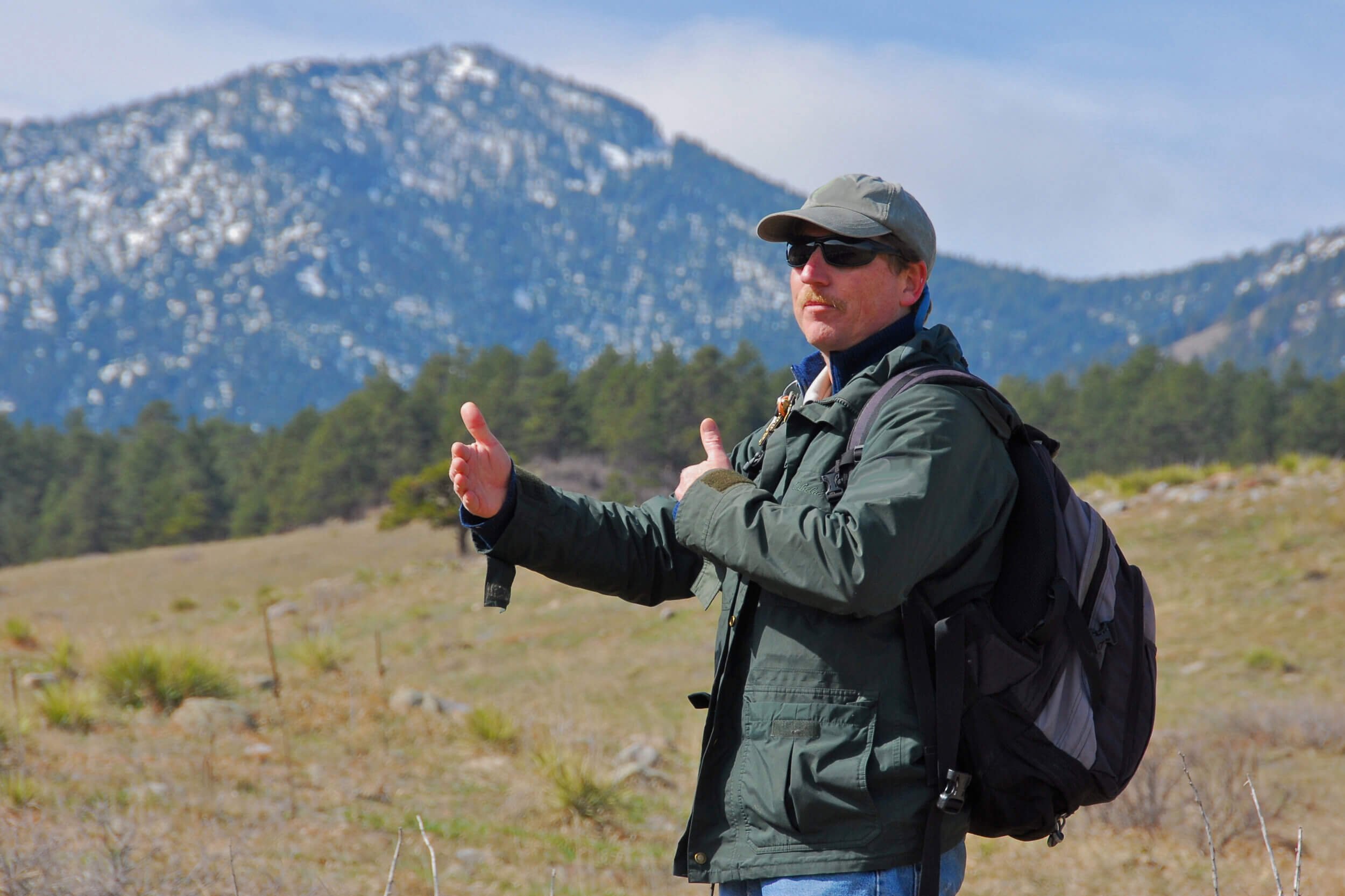
Dave Sutherland
Field Naturalist & Habitat Creation Mentor
Field Naturalist & Habitat Creation Mentor
Dave is an award-winning field naturalist, now retired from the city of Boulder’s Open Space & Mountain Parks department. In addition to over 25 years working in the Boulder area, Dave has led outdoor education programs in California, Idaho and Costa Rica, and has trained guides in the Galapagos Islands.
Dave is also fluent in Spanish and leads nature hikes and programs for Boulder’s Hispanic community. His home habitat/native plant demonstration garden is the envy of all of us plant and pollinator nerds.
-
Devyn Palm-Trujillo
Education and Outreach Senior Representative, Open Space & Mountain Parks
Devyn Palm-Trujillo is an environmental educator and ecological gardener who helps communities reconnect with the land through native plants, hands-on stewardship, and climate resiliency. As an Education and Outreach Representative for the City of Boulder’s Open Space and Mountain Parks and a member of the Nature-Based Climate Solutions team, she has led multi-year pollinator garden initiatives, guided more than 50 volunteers in native gardening projects, and introduced hundreds of community members to the beauty of native plants. With a background in ecology and habitat restoration, Devyn brings curiosity, care, and creativity to every garden she tends. Her work focuses on building resilient landscapes and inclusive spaces where people can come together to care for nature, strengthening connections between communities and the living world one seed, one garden, and one story at a time.
-
Rella Abernathy
Entomologist, Ecologist, Pesticide Expert
Rella is the biodiversity lead for the Natural-Based Solutions Division of the City of Boulder Climate Initiatives Department. She leads urban biodiversity and pollinator programs for the city and the Cool Boulder initiative, a partnership between the city, universities, NGOs, businesses, community members, and others working together to equitably and inclusively transition conventional landscaping to habitats that support insects, birds and other wildlife.
-
Lauren Freels
Landscape Architect & Ecological Landscaping Expert
Lauren Freels is a landscape architect experienced in all levels of site development, from design and project management to environmental planning and community engagement. At the City of Boulder’s Climate Initiatives Department, she advances Nature-based Solutions that enhance climate resilience, biodiversity, and human connection to the environment. Lauren’s work bridges ecological design and policy, revealing the potential within communities and landscapes to inspire stewardship, sustainability, and joyful engagement with nature.