The Neighborhood Nature Lab is a collaborative initiative between university researchers, city government, and community residents who want to help restore and study biodiversity in urban environments. By transforming small patches of yard into native plant habitats, we can learn how even modest green spaces support pollinators and ecological resilience.
Become a Nature Lab Garden Host!
Participate in a research project and receive a free garden!
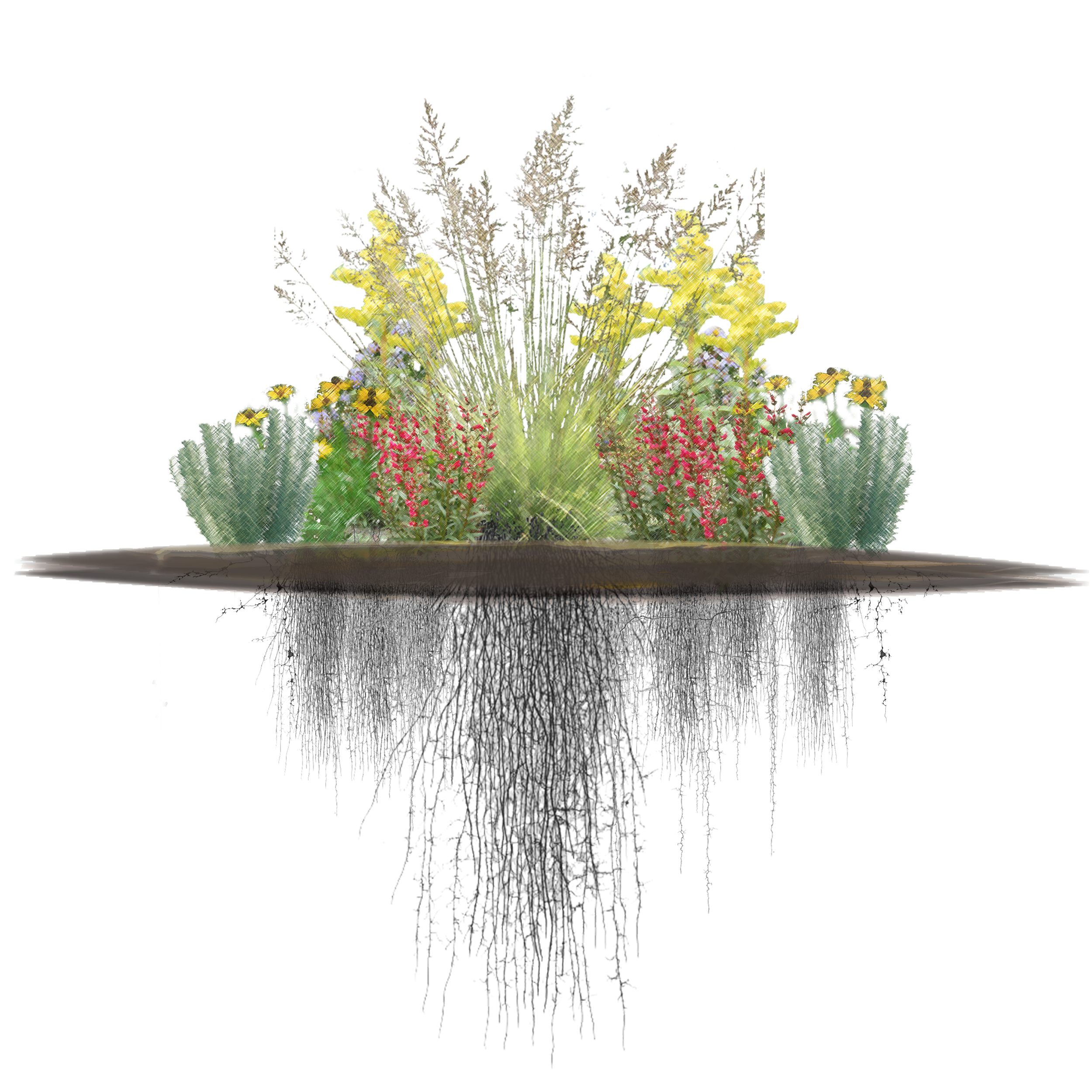
Up to six residents within each designated study area—located in neighborhoods around BCSIS & High Peaks Elementary, Crestview Elementary, Fairview High School and Heatherwood Elementary—will be selected to receive a FREE, professionally designed 100 square foot native plant garden.
Turf removal by the Resource Central team
Native plants for your garden
Garden installation support
Access to training and ongoing guidance
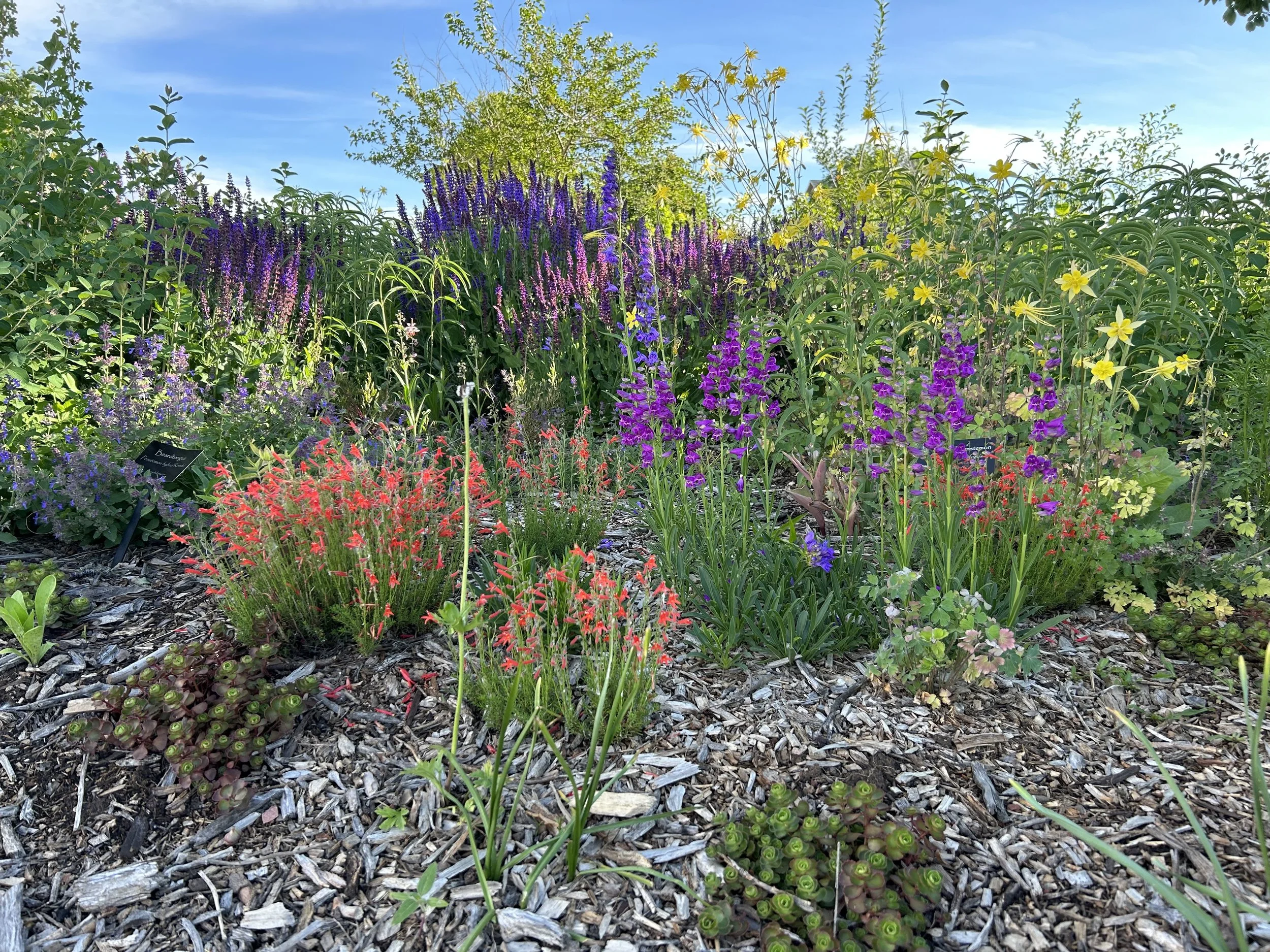
Your yard becomes a living laboratory — beautiful, low maintenance, and buzzing with life.
2026 Timeline
Disclaimer: This is a esimated timeline and it is subject to change
May 8th
Application extended for Crestview neighbors.
Mid-June
Turf Removal by Resource Central
Mid-Late June
Garden installation
Mid-May
Participants selected and notified
June—October
Participants continue collecting plant phenology and insect data
June—July
Community science training for insect data collection
Your Role as a Community Scientist
Garden Hosts must commit to a three year partnership that includes:
Caring your garden as it becomes established and keeping it maintained
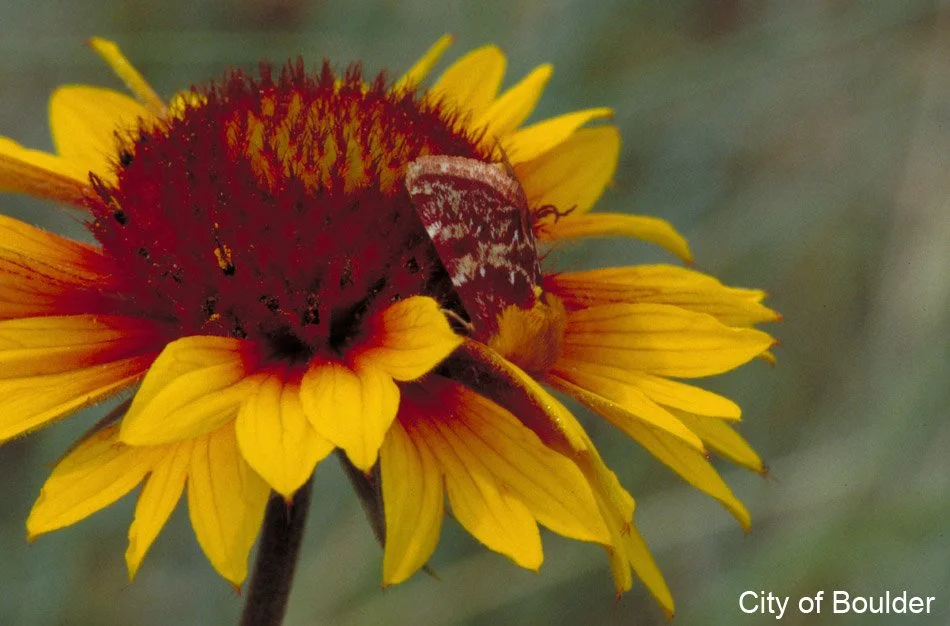
Recording plant phenology—seasonal changes that include when the plants bud, flower and set seed or fruit
Recording insect and pollinator visits at certain points during the season
Submitting these observations using mobile applications
Participating in training sessions to learn how to record observations
No prior experience is required. We provide all training, materials, and support.
Why Participate?
Create a vibrant, wildlife-friendly garden at no cost
Contribute to cutting-edge research on urban biodiversity
Help your neighborhood become a model for ecological resilience
Connect with scientists, neighbors, and the natural world right outside your door
Eligibility Requirements for the Free Native Garden Program
Interested in receiving a free native plant garden as part of our urban biodiversity research project? To be considered, participating households must meet the following requirements:
Live within one of the four designated study site boundaries
Own the property or have documented legal permission from the property owner to install a garden
Have existing turfgrass in good condition. This is a turf replacement program. Please watch this 1-minute video to see if you are eligible for turf removal.
Provide at least 100 square feet of available space
Ensure the area receives 6 or more hours of direct sunlight each day
Offer a location that is visible from the sidewalk or street, allowing the garden to contribute to neighborhood‑level research observations
If your yard meets these criteria, we’d love for you to apply. And if you’re not eligible for this particular program, there are still many ways to get involved—from planting a garden on your own, to joining community workshops, to participating in local biodiversity monitoring efforts. Learn how at Neighborhood Nature Lab.
Applications are Closed for 2026 Garden Hosts
Questions? Please e-mail: info@coolboulder.org.