Absorbent Landscapes
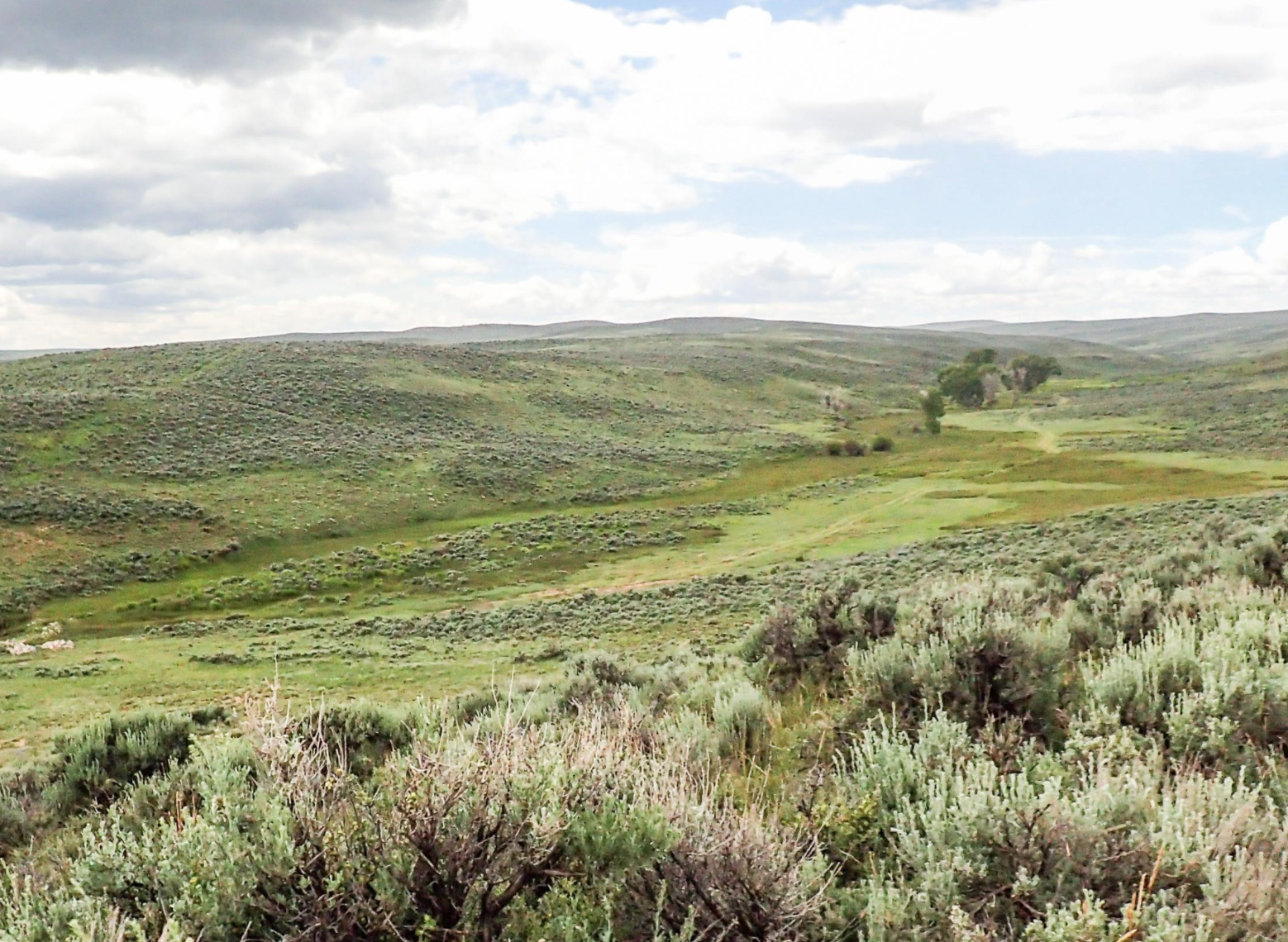
Absorbent Landscapes hold more carbon, more water, and more thermal energy, helping to cool our city as well as prevent dangerous flooding that Boulder is prone to. This collaborative effort is focused on improving carbon sequestration, soil health, and water retention/management through regenerative agriculture, sustainable grasslands and turf management, and other actions in the landscaped areas within our City as well as in the working lands surrounding Boulder.
Absorbent Landscapes Articles & Resources
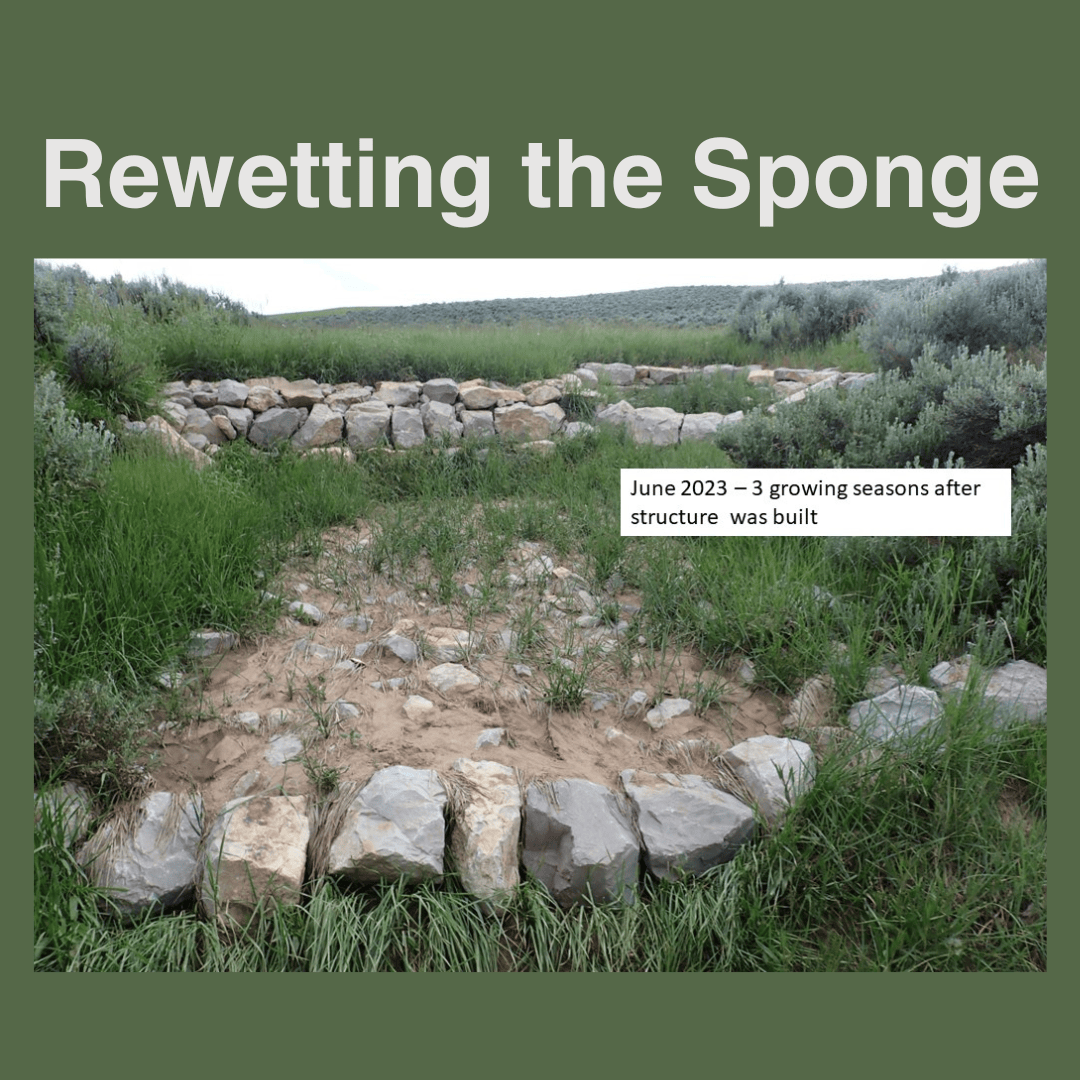
Wildlands Restoration Volunteers (WRV) are changing landscapes - see their impact in restoring a wet meadow in Colorado using low-tech solutions!
An examination of restoration practices for improving landscape absorbency in the dry Front Range climate.
Cool Boulder is excited to present to you an presentation by rainwater planting pioneer, Brad Lancaster, sharing stories and inspirational examples of how planting rain could help create landscapes and communities that are resilient to climate change, as well as healthier and happier places to live! Read on to find the presentation recording, watch a short film on Brad’s work, review resources provided by Brad and more!
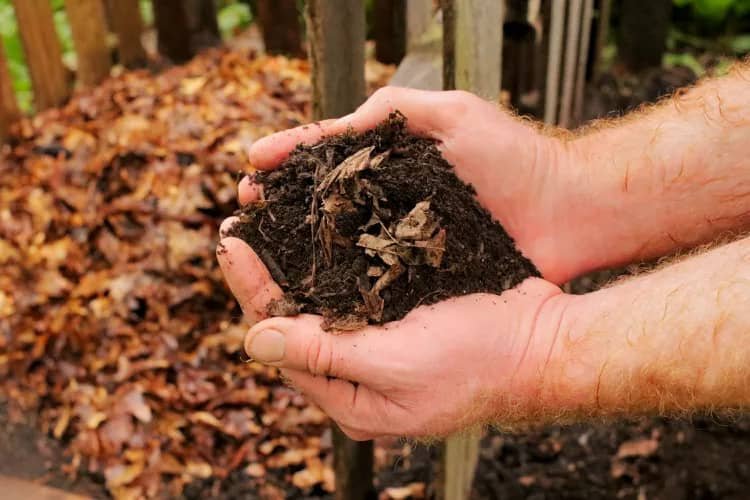
With change comes the opportunity to rethink. Let’s take five minutes to consider two ideas that may reduce or eliminate your need for yard bags: using some fallen leaves to mulch landscape plants, and using the rest to create leaf mold.
Good stewardship of soil–at your home, school, or workplace–is one of the most important things you can do for the planet!